
Modern Architecture: A Shift Toward Practicality
In the past, architecture often favored visual impact over usability. Today, the conversation has shifted. Modern architecture focuses on how people actually live and interact with spaces. Design isn't just about aesthetics anymore—it's about problem-solving, efficiency, and enhancing quality of life.
What Does Function Mean in Architecture?
Function in architecture refers to how well a space serves its intended purpose. A functional building:
- Improves the daily experience of its users
- Optimizes space, light, and energy usage
- Responds to environmental and technological shifts
From Concept to Comfort
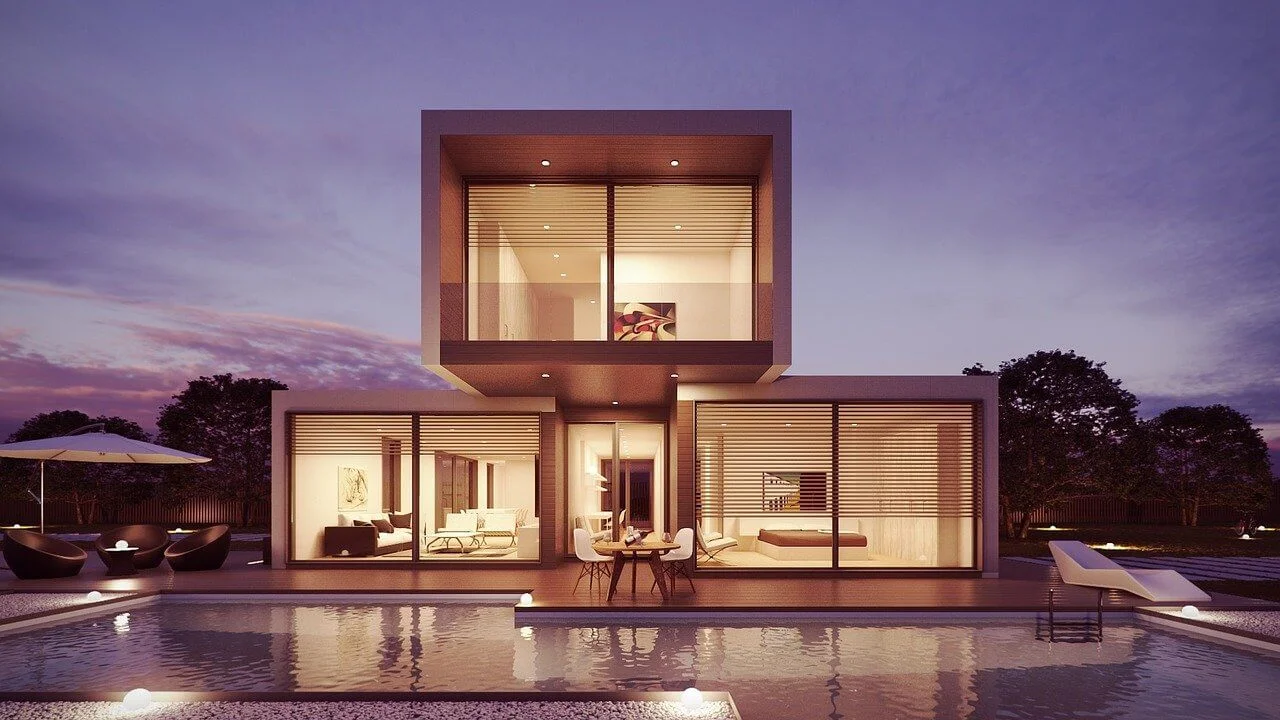
Every detail—from layout to materials—is now driven by functionality. Open floor plans support social connection and flexibility. Natural lighting reduces energy needs and enhances well-being. Function-first design creates harmony between architecture and lifestyle.
Smart Features, Smarter Living
As technology becomes integral to our lives, modern buildings are evolving to keep up. Smart architecture integrates digital systems that adapt to human behavior. These features go beyond convenience:
- Automated lighting and temperature control
- Energy usage tracking and optimization
- Security and access systems tailored to usage patterns
Adaptive Design
Flexible spaces are no longer a luxury—they're a necessity. Buildings that can evolve with their occupants are better investments in the long term. Think movable walls, convertible rooms, and modular furniture.
Sustainability Is Functional
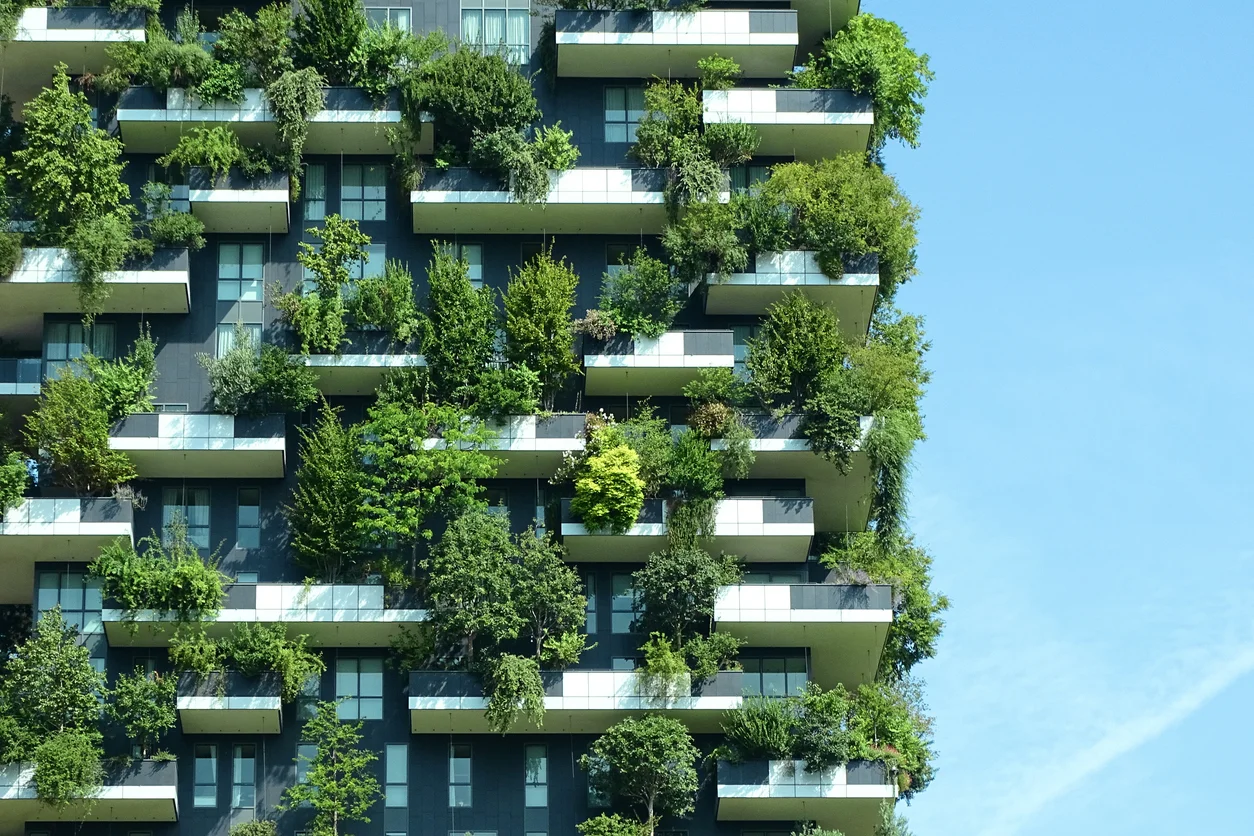
Environmental sustainability is not just a design trend—it’s a functional requirement. Efficient use of resources improves both performance and long-term cost.
Examples of sustainable design strategies:
- Green roofs for insulation and stormwater management
- Solar panels integrated into the building envelope
- Passive design using orientation, airflow, and materials
Public Spaces That Serve Communities
In cities, architecture must respond to diverse needs. Parks, transit stations, and cultural centers are designed with inclusivity, safety, and accessibility in mind.
Good public design creates spaces where people feel welcome, safe, and engaged. This is where architecture becomes not just functional, but meaningful.
Conclusion: Function Drives the Future
The future of architecture lies in user-centered design. As our lives become more dynamic, buildings must adapt—serving not just as shelters, but as active partners in our daily routines.
Designing for function means designing for people—for their habits, needs, and the world they live in.
TBKPROJECTS Blog – Where design meets everyday life.